
Basement Smells Like a Locker Room? Here's Why
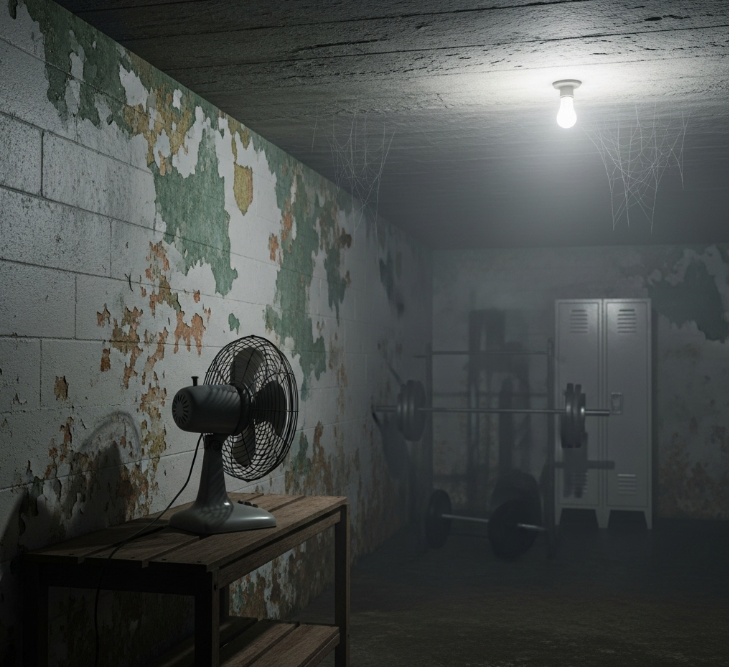 Let’s be honest, we’ve all been there. You open the basement door, take a deep breath, and suddenly you’re transported back to high school gym class. That distinct, musty, vaguely athletic odor that hangs in the air – it’s not exactly the fresh scent of spring you were hoping for. While it might give you flashbacks to sweaty socks and forgotten uniforms, a "locker room" smell in your basement is actually a sign of something far less nostalgic and much more problematic.
That funky aroma is almost always a tell-tale sign of excessive moisture and the biological growth it encourages. Think of your basement as a dark, damp cave – the perfect breeding ground for microscopic invaders that thrive in humidity. When these unwelcome guests set up shop, they release gasses that create that unmistakable odor. So, let’s air out the situation and understand why your basement has adopted this peculiar scent, and more importantly, what to do about it.
The Usual Suspects: Mold, Humidity, and Water
First on the list of culprits is the ever-present issue of mold and mildew. These aren't just fuzzy spots; they're living organisms that flourish in damp environments. They reproduce by releasing spores into the air, and it's these spores that carry that characteristic musty, earthy, and yes, sometimes even "locker room" smell. Mold can grow on almost any organic surface – cardboard boxes, drywall, wood, fabric, you name it. If your basement has been damp for any extended period, it's highly likely mold and mildew are part of the smelly equation. Beyond the odor, mold can also trigger allergies and respiratory issues, making it a health concern you definitely don't want sharing your living space.
Closely related to mold is the general problem of high humidity. Your basement, being below ground, is naturally cooler than the rest of your house. This cooler air has a harder time holding moisture. When warm, humid air from upstairs or outside seeps into your cooler basement, that moisture condenses. Think of a cold drink on a hot day – condensation forms on the glass. The same happens in your basement, but on a grander scale, leading to damp walls, floors, and air. This constant dampness creates the ideal conditions for mold, mildew, and even dust mites to thrive, all contributing to the unpleasant odor. It’s a vicious cycle where humidity feeds the problem, and the problem makes the humidity worse.
Finally, and often at the root of both mold and humidity issues, is inadequate waterproofing. Water can find its way into your basement through a surprising number of avenues. Cracks in the foundation walls or floor, porous concrete, leaky windows, clogged exterior drains, or even just hydrostatic pressure pushing groundwater against your foundation can all lead to water intrusion. Even a seemingly small amount of moisture, if consistent, can create the perfect damp environment for mold and musty smells. This isn't just about standing water; it’s about persistent dampness that keeps organic materials perpetually moist.
Clearing the Air: Solutions for a Fresh Basement
So, what’s the game plan for transforming your basement from a musty changing room into a fresh, usable space? The solution involves a multi-pronged approach that addresses both the symptoms and the root causes.
First, it’s crucial to control the humidity. For this, we highly recommend our SaniDry Sedona dehumidifier. Unlike standard dehumidifiers, the SaniDry Sedona is designed specifically for basement environments. It’s powerful, energy-efficient, and can remove a significant amount of moisture from the air, maintaining optimal humidity levels to inhibit mold growth and eliminate those musty odors. It truly is a game-changer for basement air quality.
Next, tackling existing mold and mildew is essential. While the SaniDry Sedona will prevent future growth, any current growth needs to be properly addressed. This might involve professional cleaning and remediation, depending on the extent of the problem.
Most importantly, you need to look at your basement waterproofing solutions. This means identifying and fixing any points where water is entering your basement. This could range from exterior drainage improvements to interior perimeter drainage systems that capture water before it enters your living space and directs it safely away. Sealing cracks, installing sump pumps, and applying vapor barriers are all part of a comprehensive waterproofing strategy that ensures your basement stays dry, healthy, and odor-free.
Don't let your basement be the "locker room" of your home any longer. That persistent smell is a warning sign that shouldn't be ignored. By addressing humidity with solutions like our SaniDry Sedona dehumidifier, tackling mold, and implementing robust waterproofing, you can transform your basement into a clean, dry, and pleasant space. Say goodbye to the gym class flashbacks and hello to a fresh, usable basement. Contact Woods Basement Systems today for a free inspection and let us help you clear the air!