
The 'Set It and Forget It' Myth: Why Your Sump Pump Needs More Attention Than You Think
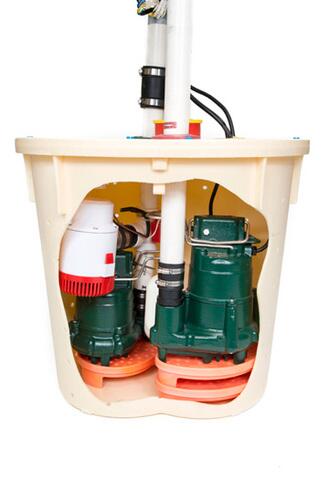 We've all been there: a device works so reliably that it becomes invisible, a true "set it and forget it" hero. For many homeowners, the sump pump falls into this category. It's often tucked away in a corner of the basement, quietly doing its job... until it isn't. The truth is, your sump pump is a critical piece of equipment that needs a little attention to ensure it's ready for a basement-threatening storm.
Here’s a practical guide on what to check and the signs that your sump pump might be failing.
How to Perform a Sump Pump Health Check
You should perform this simple test a few times a year, especially before the rainy season.
-
Locate the Sump Pump Pit: Find the basin where your sump pump resides.
-
Pour Water In: Carefully pour a few gallons of water into the pit. This should be enough to activate the float switch.
-
Watch and Listen: The pump should turn on, discharge the water through the discharge pipe, and then shut off automatically once the water level drops. The sound should be a confident, steady whir.
-
Inspect the Discharge Pipe: Make sure the water is flowing freely out of the discharge pipe. Check for any clogs or obstructions.
Key Signs Your Sump Pump Is Failing
Beyond the health check, there are signs you should watch for that indicate your pump is in distress. Ignoring them could lead to a disastrous basement flood.
-
Strange or Loud Noises: A healthy sump pump makes a steady whirring sound. A pump that's rattling, grinding, or making other loud noises could be struggling with a broken impeller, a worn-out motor, or a blockage.
-
Constant Running: If your pump is running almost constantly, even during dry weather, it could be a sign of a high water table, a stuck float switch, or a pump that's too small for the job. This not only wastes energy but also puts a huge strain on the pump's motor, shortening its lifespan.
-
Infrequent Running (or not at all): Conversely, if you haven't heard your pump run in a long time and you've had rain, it's a major red flag. This could be due to an electrical issue, a tripped circuit breaker, or a completely failed pump.
-
Visible Rust or Pitting: When you inspect the pump, look for any signs of rust. This can be a sign of a deteriorating battery case or motor, and can be a precursor to failure.
-
The Sump Pump is Old: The average lifespan of a sump pump is around 10 years. If your pump is older than that, it's living on borrowed time and should be replaced before it fails.
By being proactive and paying a little attention to your sump pump, you can avoid a costly and stressful basement flood. It's a small investment of time for a massive return in peace of mind. If you see any of these warning signs, it’s best to have a professional inspection.