
The Haunted Basement Files: Real Stories of Damp & Decay
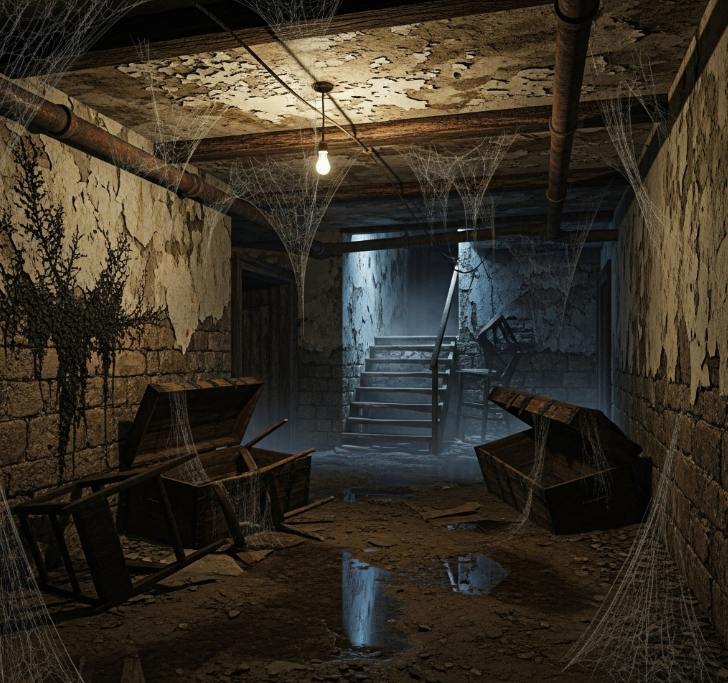 Ah, the basement. Often relegated to storage, laundry, or the occasional poorly-lit man cave, the basement holds a unique place in our collective imagination. It’s a liminal space, half-buried, a barrier between the cozy world above and the mysterious earth below. And let’s be honest, it’s often a little…creepy.
We’ve all heard the stories. The flickering lights, the unexplained drips, the feeling of being watched by something unseen amidst the forgotten holiday decorations and dusty boxes. In pop culture, the basement is practically a character itself, the setting for countless horror flicks and eerie tales. But what about the real stories? The whispers of damp, decay, and maybe…something more?
Welcome to "The Haunted Basement Files," where we delve into spooky (but ultimately fun) anecdotes of the creepy crawlspace, alongside practical advice to keep your own subterranean world from turning into a real-life horror show.
Tales from the Deep: When Dampness Takes a Dark Turn
Our first tale comes from Sarah in St. Louis. Her old Victorian home boasted a classic unfinished basement, complete with low ceilings and a persistent musty odor. "It always felt a little off down there," she recalls. "Like the air was heavy, and sometimes I'd swear I heard little shuffling sounds when no one was moving."
One particularly humid summer, the mustiness intensified. Black mold began to creep up the damp concrete walls, resembling eerie, organic shadows. That's when things got…weird. Sarah started finding small objects moved around – a stack of books toppled, a child's toy inexplicably appearing in the middle of the floor. The pièce de résistance? Waking up one night to the distinct sound of someone (or something) humming softly from the basement below.
While Sarah never saw anything, she couldn't shake the feeling that the growing dampness had somehow stirred something within the old house. Was it just her imagination playing tricks on her, fueled by mold spores and a creaky foundation? Or was there a more spectral explanation for the unsettling occurrences in her damp domain?
Then there’s Mark from Belleville. His basement flooded after a heavy storm, leaving behind a murky mess. After the water receded, a thick, earthy smell lingered. But it wasn’t just the smell that bothered him. He started experiencing vivid nightmares whenever he did laundry downstairs – shadowy figures lurking in the corners, whispering unintelligible things.
"I know it sounds crazy," Mark admits, "but the dreams only happened when I was dealing with the aftermath of the flood. It was like the dampness had unearthed something…unpleasant." He even claimed to have seen fleeting glimpses of movement in his peripheral vision while down there, vanishing as soon as he turned his head.
These stories, while anecdotal, highlight a common thread: the unsettling atmosphere that can develop in damp, decaying basements. Whether it's the psychological effect of poor air quality, the creepy visual of mold and mildew, or something truly paranormal, there’s no denying the potential for a spooky vibe.
Don't Let Your Basement Become a Real Horror Story: Prevention Tips
While ghostly encounters are debatable, the negative effects of dampness and decay in your basement are not. Mold, mildew, structural damage, and poor air quality are very real concerns. Here are some practical tips to keep your basement dry and (hopefully) ghost-free:
-
Address the Source of Moisture: Identify and fix any leaks in your foundation walls or floor. Check your gutters and downspouts to ensure water is being directed away from your home's foundation.
-
Improve Drainage: Consider installing or improving your perimeter drainage system (sump pump) to actively remove groundwater.
-
Seal Cracks and Openings: Seal any cracks in your foundation walls and around pipes or wires that enter your basement.
-
Control Humidity: Use a dehumidifier, especially during humid months, to keep the air dry. Aim for a humidity level between 30% and 50%.
-
Ensure Proper Ventilation: If possible, improve ventilation in your basement by opening windows (when weather permits) or installing vents.
-
Elevate Stored Items: Store belongings off the floor on shelves or in waterproof containers to protect them from moisture.
-
Regular Inspection: Routinely inspect your basement for signs of dampness, mold, or mildew. Address any issues promptly.
By taking these preventative measures, you can significantly reduce the risk of dampness and decay, creating a healthier and less…haunted…basement environment.
The Mystery Remains…
Whether you believe in basement specters or attribute spooky feelings to the power of suggestion and poor air quality, there's no denying that a damp, decaying basement can be unsettling. While we can't definitively say whether Sarah's shuffling sounds were paranormal or if Mark's nightmares were simply stress-induced, taking steps to keep your basement dry and well-maintained is crucial for your home's health and your peace of mind.
So, the next time you venture into the depths of your basement, take a moment to listen…is that just the hum of the dehumidifier, or something more? And more importantly, are your foundation walls dry?
Do you have a spooky basement story to share? Or perhaps a tried-and-true tip for keeping the dampness at bay? Share your experiences in the comments below!