
Common Causes of Foundation Cracks in Illinois and Missouri Homes
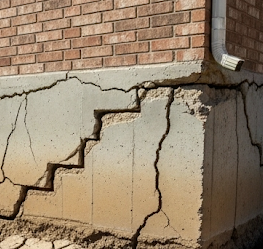
The Midwest, particularly Illinois and Missouri, is home to a type of soil that can be tough on home foundations: expansive clay soil. This is the primary culprit behind many foundation cracks in the region. Unlike sandy soils that drain water, clay-rich soil absorbs moisture like a sponge, causing it to swell and expand. When it dries out during hot, dry spells, it shrinks and contracts. This constant cycle of expansion and contraction puts immense pressure on a home's foundation, leading to cracks.
Here are the most common causes of foundation cracks in the Midwest:
1. Soil Movement and Settlement
-
Drying and Shrinking Soil: During a drought, the soil under your home dries and shrinks, creating a void that the foundation can settle into. Tree roots also contribute by drawing moisture from the soil.
-
Wetting and Softening Soil: Heavy rains or poor drainage can saturate the soil, making it soft and weak. The immense weight of your home can cause it to sink into the unstable ground.
-
Poorly Compacted Fill Soil: When a home is built on soil that was not properly compacted, the ground will naturally compress over time under the weight of the structure. This can cause the foundation to settle unevenly, leading to cracks.
2. Hydrostatic Pressure and Poor Drainage
When water pools around your foundation, it exerts immense pressure against the basement walls. This is known as hydrostatic pressure. It is a common cause of horizontal cracks and can also cause basement walls to bow or buckle. Poor drainage from clogged gutters, downspouts that discharge too close to the home, or improper yard grading can all lead to this problem.
3. Freeze-Thaw Cycles
The cold winters in Illinois and Missouri bring repeated freeze-thaw cycles. When water in the soil freezes, it expands by about 9%, which can exert significant upward pressure on the foundation, a process known as frost heave. When the ice melts, it leaves behind a void. This continuous freezing and thawing can cause foundations to shift and crack.
4. Concrete Curing and Material Shrinkage
Some minor, non-threatening cracks are a natural part of a new home's foundation. As the concrete dries and cures, it shrinks slightly, which can cause small hairline cracks. These are typically cosmetic and don't indicate a structural problem, but it's important to monitor them to ensure they don't widen or worsen over time.
To sign up for a free in home inspection, CLICK HERE.