
The Importance of Regular Foundation Maintenance
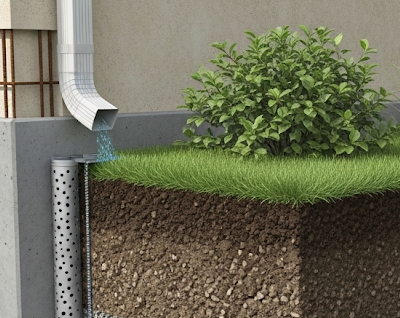
Your home's foundation is the most critical part of its structure, and like any major system, it requires regular care to stay healthy. Skipping routine maintenance can lead to minor issues escalating into major, costly repairs. A proactive approach to foundation care, particularly in regions like Illinois and Missouri with expansive clay soil, can save you a significant amount of money and stress in the long run.
Here's why regular foundation maintenance is so important and what you can do to protect your home.
1. Manage Moisture Levels Around Your Home
In the Midwest, soil expands and contracts with the seasons. Excessive moisture from heavy rain or melting snow can cause the soil to swell and push against the foundation, a problem known as hydrostatic pressure. Conversely, during a dry spell, the soil can shrink, causing the foundation to settle. The key is to keep moisture levels consistent.
-
Gutters and Downspouts: Ensure your gutters are clean and your downspouts extend at least 5 to 10 feet away from the foundation to prevent water from pooling near the base of your home.
-
Proper Grading: The ground around your house should slope away from the foundation, allowing water to drain naturally.
-
Water Your Foundation: During dry periods, especially in the summer, consider watering the soil around your foundation using a soaker hose. This can help prevent the soil from shrinking and pulling away from the foundation.
2. Conduct Regular Inspections
You don't need to be a professional to spot the early signs of a problem. A simple visual inspection of your home can make a world of difference.
-
Inside: Check your basement walls, floors, and ceilings for cracks. Also, look for doors and windows that stick or are difficult to open, which can indicate a shift in the frame.
-
Outside: Walk the perimeter of your home and look for cracks in the exterior foundation walls, as well as any gaps between the foundation and the ground.
3. Landscaping and Vegetation Management
While landscaping can enhance your home's curb appeal, certain plants and trees can be a threat to your foundation.
-
Tree and Shrub Roots: Large tree roots can grow under your foundation in search of water, causing damage. Plant new trees and shrubs at a safe distance from your home.
-
Mulch and Pests: Avoid piling mulch or other organic materials against your foundation, as they can retain moisture and attract pests.
The Long-Term Benefits
Investing time and effort in regular foundation maintenance is a small price to pay to avoid the severe consequences of foundation failure. Consistent care helps you:
-
Prevent Costly Repairs: Addressing small issues early is far cheaper than fixing a major structural problem.
-
Maintain Home Value: A healthy foundation is a major selling point and a key indicator of your home's structural integrity.
-
Ensure Peace of Mind: Knowing that the very base of your home is sound and secure provides unparalleled peace of mind.
While consistent maintenance is a powerful preventative measure, it's always wise to have a professional foundation specialist conduct an inspection. They have the expertise to identify hidden problems and can provide solutions that ensure your home remains stable for years to come. To sign up for a free in home inspection, CLICK HERE.