
Preparing Your Foundation for Fall and Winter Weather
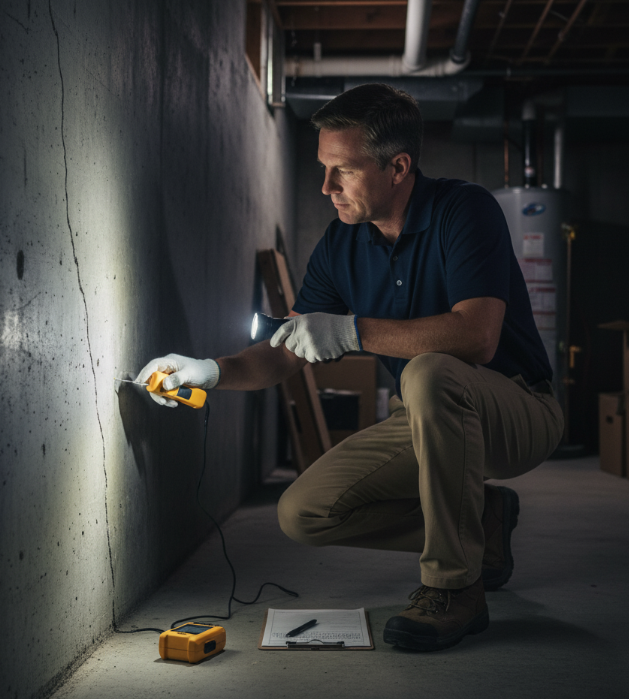
Preparing your foundation for the colder months is a crucial step in protecting your home from potential damage. The freeze-thaw cycle can be particularly hard on foundations, as water that seeps into cracks can expand when frozen, causing the cracks to widen and leading to more serious issues.
Here are some key steps to take to prepare your foundation for fall and winter:
1. Inspect and Repair Cracks Walk around the interior and exterior of your foundation and look for any cracks, no matter how small. Even hairline cracks can allow water to enter. Seal minor cracks with concrete caulk or sealant. For larger or more serious cracks, it's best to consult a professional to ensure they are properly sealed to prevent further damage and water infiltration.
2. Manage Water and Drainage Proper drainage is the single most important factor in protecting your foundation.
-
Clean Gutters and Downspouts: Clear your gutters of leaves and other debris. Clogged gutters can cause water to overflow and pool around your foundation.
-
Extend Downspouts: Ensure your downspouts direct water at least 5-10 feet away from the foundation. You can use extensions to achieve this.
-
Check Soil Grading: The soil around your home should slope away from the foundation. A slope of at least 6 inches over a distance of 10 feet is ideal. If you notice any low spots where water pools, consider adding soil to improve the grade.
-
Clear Snow: During the winter, keep snow and ice shoveled or swept away from the foundation's perimeter. When snow melts, it can saturate the soil and lead to water issues.
3. Address Other Moisture-Related Issues
-
Check Your Sump Pump: If you have a sump pump, test it to ensure it is in working order before heavy rains or snowmelt. A battery backup is also a good idea in case of a power outage.
-
Insulate Pipes: Insulate any exposed water pipes in basements or crawl spaces to prevent them from freezing and bursting.
-
Maintain Consistent Humidity: In basements or crawl spaces, use a dehumidifier to keep humidity levels low (30-50%). This helps prevent condensation and moisture buildup that can lead to foundation damage and mold.
Taking these proactive steps can help you avoid costly repairs and protect the long-term health of your home's foundation. To sign up for a free in home inspection, CLICK HERE.