
Bowing Walls in Older Homes: Causes and Solutions
 Causes of Bowing Walls
The pressure that causes walls to bow comes from a variety of sources, often related to water and soil.
-
Hydrostatic Pressure: This is the most common cause. When soil around your foundation becomes saturated with water from heavy rain or poor drainage, the water's weight creates immense pressure against the basement walls. Clay-rich soil is particularly susceptible to this, as it expands when wet.
-
Expansive Soil: Certain soil types, especially those with high clay content, expand significantly when they absorb water and shrink when they dry out. This constant cycle of swelling and shrinking can push and pull on the foundation, causing walls to bow and crack over time.
-
Frost Heave: In colder climates, water in the soil around the foundation freezes and expands, exerting pressure on the walls. This can be a major contributor to bowing and cracking.
-
Poor Drainage: Inadequate drainage from gutters or improperly sloped landscaping can direct water toward the foundation, increasing the risk of hydrostatic pressure.
Warning Signs
Recognizing the signs of a bowing wall early can prevent more significant and costly damage. Look for the following indicators:
-
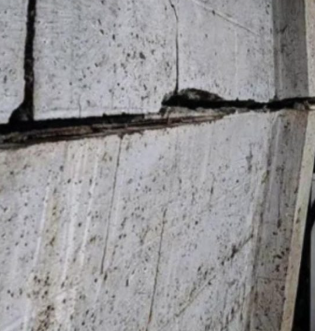
Horizontal Cracks: Long, horizontal cracks are a clear sign of pressure from the outside. These are often located in the middle or upper portion of the wall.
-
Stair-Step Cracks: In cinder block walls, cracks that follow the mortar joints in a stair-step pattern can indicate movement.
-
Inward Leaning or Bulging: A noticeable curve or bulge in a section of the wall is a definitive sign of bowing.
-
Water Seepage: Water stains, efflorescence (white mineral deposits), or active leaks often accompany a bowing wall, as the stress opens up new pathways for water.
Solutions
Fixing a bowing wall requires professional intervention. The right solution depends on the severity of the damage.
-
Carbon Fiber Straps: For minor bowing (less than 2 inches), strong, thin carbon fiber straps can be bonded to the wall to stabilize it and prevent further inward movement. This is a less invasive option that does not correct the existing bow but stops it from worsening.
-
Wall Anchors: For more significant bowing, wall anchors are a common solution. They involve installing a steel plate on the interior wall and connecting it via a steel rod to an anchor plate buried in the soil outside. The rod is then tightened over time to pull the wall back into a straight position. This method requires outdoor space for excavation.
-
Steel I-Beams (Wall Bracing): Steel I-beams are installed vertically against the wall and anchored to the basement floor and ceiling joists. They provide immediate support and can be adjusted over time to straighten the wall. This is a good option when outdoor access is limited.
Ignoring a bowing wall can lead to progressive instability, widening cracks, and a risk of total wall collapse, which is why it is crucial to address the issue promptly.