
Top 5 Signs Your Concrete Needs Leveling Before Winter Freezes Hit
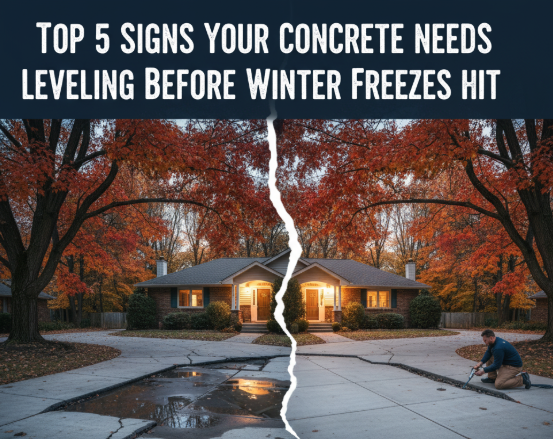
The crisp air and falling leaves of autumn signal not just the approach of holidays, but also the inevitable arrival of winter's harsh embrace. For homeowners in regions prone to freezing temperatures, this means it's prime time to assess the condition of your concrete. Driveways, walkways, patios, and pool decks are all susceptible to the forces of nature, particularly the insidious freeze-thaw cycle. When water seeps into cracks and voids beneath concrete slabs and then freezes, it expands, pushing the concrete upwards. When it thaws, the concrete settles, often unevenly, leading to further damage. Addressing these issues before winter hits is crucial, not only for safety but also to protect your property's value and aesthetic.
Here are the top 5 signs your concrete is crying out for leveling before the winter freezes hit:
-
Uneven Slabs and Trip Hazards: This is perhaps the most obvious and dangerous sign. If you notice one concrete slab is significantly higher or lower than its neighbor, creating a "lip" or a step, you have a serious trip hazard. These become even more perilous in winter when covered by snow or ice, making falls almost inevitable. Leveling these now prevents accidents and potential liability.
-
Visible Cracks, Especially Large or Spreading Ones: Small hairline cracks can be benign, but large, wide, or actively spreading cracks are red flags. These indicate significant stress and movement within the concrete. As winter approaches, water will seep into these cracks, freeze, and expand, turning minor imperfections into major structural weaknesses and accelerating deterioration.
-
Sinking or Settling Concrete: Areas of your concrete that have visibly sunken or settled, creating depressions where water can pool, are a clear indication of compromised soil support beneath. These low spots will collect melting snow and ice, prolonging the freezing action and magnifying the damage each winter season.
-
Poor Drainage and Standing Water: If you notice puddles forming on your driveway or patio long after a rain shower, or water draining towards your home's foundation instead of away from it, your concrete's slope is incorrect. This poor drainage can lead to significant water damage to your home’s foundation and landscaping, a problem that intensifies with melting snow.
-
Concrete Pulling Away from the House or Other Structures: Gaps forming between your concrete slab and your home's foundation, garage, or other adjacent structures are a critical warning sign. This separation indicates significant settlement and can allow water to penetrate directly to your foundation, leading to expensive basement or crawl space issues, especially when coupled with winter's moisture.
Addressing these issues with concrete leveling before winter arrives is a proactive measure that saves money, enhances safety, and preserves your home's curb appeal. Don't let the freeze-thaw cycles turn minor inconveniences into major headaches—act now to ensure your concrete surfaces are level, safe, and ready to withstand the season.
To sign up for a free in home inspection, CLICK HERE.